Light, Lift, and Less: Designing Layers with Purpose
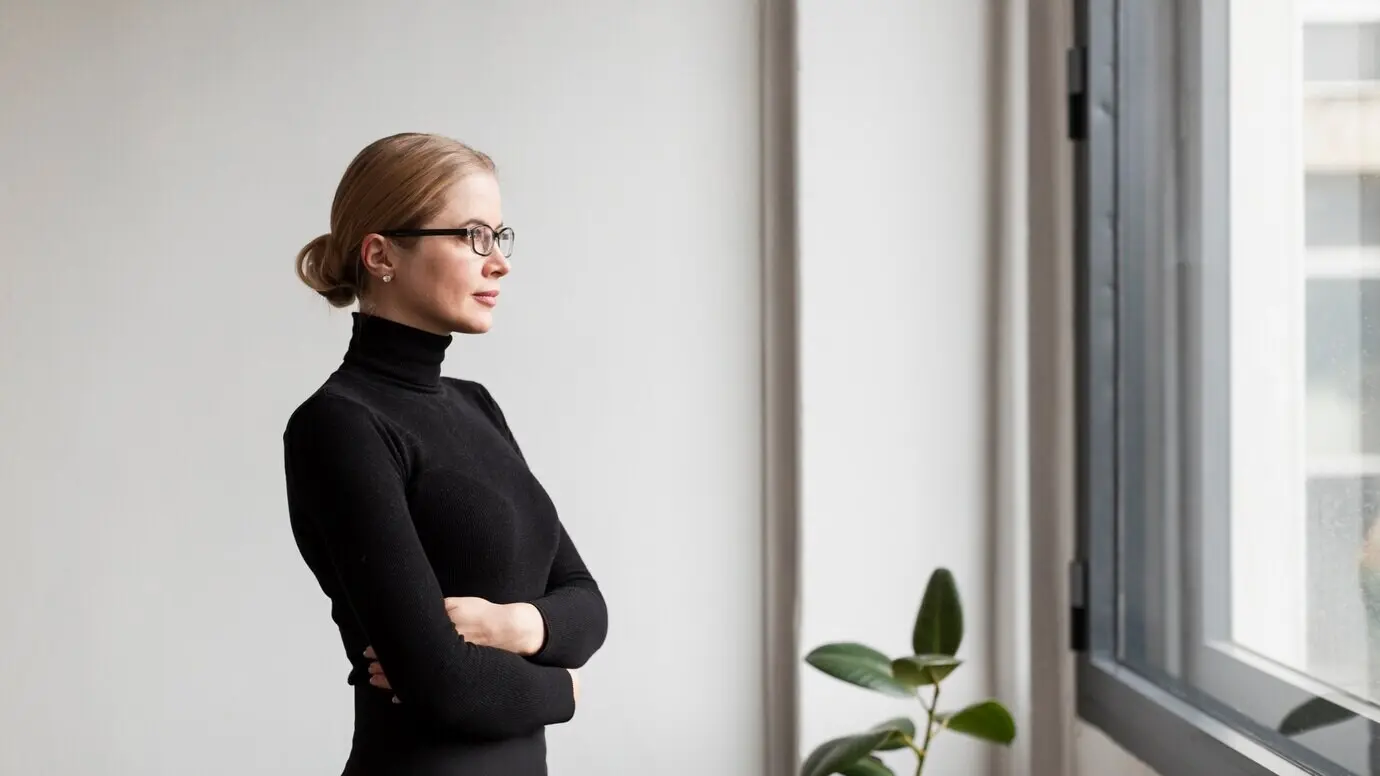
Today, we explore Layered Lighting Strategies that Elevate Without Excess, showing how subtle layers create depth, comfort, and clarity without visual noise or strain. We will pair ambient, task, and accent lighting with gentle controls, honest materials, and thoughtful placement. You will see how a few well-chosen fixtures can do the work of many, and how scenes adapt to seasons, moods, and daily routines. Expect practical formulas, small-space wins, and one hallway transformation that proves restraint is powerful. Share your questions as we go, and subscribe for future guides on color, comfort, and smarter simplicity.

Start with the Base: Ambient Light that Breathes

A calm foundation lets every other layer do less yet feel like more. Explore indirect washes, ceiling bounce, and wide-beam fixtures that softly lift surfaces without flattening texture. Learn to read reflectance, avoid glare, shape vertical brightness, and set dimmable baselines that welcome conversation, rest, and clear wayfinding, even in low-ceiling apartments. Share your room challenges in the comments so we can workshop clear, achievable configurations together and help your space feel effortlessly cohesive throughout the day.

Focus with Intention: Task Lighting that Works Hard

Good task lighting puts illumination exactly where your hands, eyes, and tools meet, reducing shadows and strain without overwhelming the room. We will place smaller beams at smarter distances, shield sources, and coordinate brightness with the ambient layer so contrast stays friendly. Expect ideas for kitchens, desks, makeup mirrors, craft tables, and workshop benches. Tell us where work feels frustrating; we will map a measured, precise fix that respects your budget and supports better daily rhythms.

Kitchen Prep Zones Made Effortless

Under-cabinet lights with continuous diffusion eliminate scalloping and distracting bright spots on the backsplash. Position strips near cabinet fronts to push light forward across the counter, then dim to match ambient levels for a unified feel. Choose neutral-white balance that flatters ingredients and keeps cutting edges visible. Add a low-output night scene for late tea or quiet cleanup, and post your favorite fixtures so readers can compare beam spread, color rendering, and reliability across real kitchens.

Desks that Invite Deep Work

Angle a task lamp slightly off-axis to reduce screen reflections, then tune brightness just below ambient peaks to prevent tunnel vision. Look for lamps with glare control, sturdy arms, and smooth dimming so adjustments become second nature. If you share a space, create two preset scenes labeled focus and pause to avoid constant tweaking. Share your desk photos and habits; we will help refine heights, distances, and color temperature for longer concentration with less fatigue.

Drama with Restraint: Accent and Decorative Sparks

Accent light should guide attention, not shout. We will target art, textures, plants, and architectural features with thoughtful ratios—often three to one or five to one above ambient—to create depth without glare. A simple hallway case proved this: two narrow-beam spots grazed a textured wall, transforming a dim pass-through into an inviting gallery path. Bring your trickiest corners and we will identify a single, strategic highlight that turns absence into presence while keeping everything calm.

Control the Mood: Dimmers, Scenes, and Smart Simplicity

Controls make restraint easy by saving what works. We will craft a handful of scenes—welcome, focus, unwind—rather than chasing endless options. Smooth dimming, reliable switches, and discreet sensors keep technology supportive, not showy. If you are curious about tunable white or circadian alignment, we will share straightforward methods that prioritize comfort first. Tell us your schedule, daylight patterns, and favorite rituals, and we will help you capture them in calm, repeatable lighting moments.
Start with a bright, inviting welcome scene that softens shadows near entries; a focused work scene that lifts task zones; and an unwind scene that warms color and lowers vertical brightness. Save them to memory so your evening resets happen with one tap. If you host often, add a dine scene that flatters faces and food. Share which scenes you use most, and we will refine levels that feel natural across seasons and guests.
A gentle range is usually enough: cozy evenings at 2700–3000K, alert chores around 3500K, daylight collaboration near windows while avoiding cold, clinical tones. Set slow fades between states so your body notices changes kindly, not abruptly. If your home office doubles as a guest room, anchor the baseline warm and add a cooler task layer on demand. Post your routine; we will map sensible schedules that honor work, rest, and weekend ease.

Walls that Bounce Beautifully

Vertical surfaces shape perception more than floors. A soft, even glow on walls increases the sense of brightness without adding harsh sources overhead. Choose paints with modest sheen to avoid streaks, then wash from the side to reveal depth. If corners feel heavy, add a narrow uplight to lift the junction. Upload a quick sketch; we will suggest beam angles and spacing that deliver calm, balanced gradients across your largest visual canvas.

Textures that Welcome Softness

Brick, plaster, linen, and wood respond wonderfully to grazing when outputs are modest and angles shallow. Too much intensity flattens character or creates harsh striations. Test at night with temporary clamp lights to preview effects before committing. Dim slightly below ambient so texture reads as invitation, not spectacle. Post the materials you love; we will recommend distances, optics, and shielding that reveal nuance while keeping the room supremely comfortable for daily living.

Sustainable Beauty: Budget-Savvy Choices that Last

Elevating without excess means fewer, better fixtures, longer lifespans, and maintenance you can actually manage. We will weigh lumens per watt, useful life, driver reliability, and serviceability alongside aesthetics. A thoughtful plan reduces quantity, wiring complexity, and future headaches. When possible, choose replaceable modules, reputable warranties, and timeless forms. Tell us your budget bands and timeline; we will propose phased steps that deliver immediate comfort now and responsible upgrades later without visual or financial waste.

Fewer Fixtures, Better Results

Start by mapping the jobs light must do, then assign the minimum number of sources capable of meeting them with grace. A single linear uplight can replace multiple downlights, and a task lamp can protect eyes better than a brighter ceiling. Invest where impact is real, not merely visible. Share your floor plan; we will mark consolidation opportunities that cut cost, clutter, and energy while improving how every room actually feels and functions.

Maintainability that Respects Time

Choose fixtures with standard bases or replaceable light engines where possible. Consider how you will clean, relamp, or service pieces installed high or behind furniture. Keep drivers accessible, label dimmer limits, and log your favorite scenes. This record turns future troubleshooting into a calm routine rather than a scramble. Comment with maintenance worries and ceiling heights; we will suggest practical strategies that preserve performance and keep your layered composition reliable for years.

Specs that Protect Your Eyes

Beyond lumen output, prioritize glare control, high color rendering, consistent color temperature, and flicker-free dimming. Look for published UGR or shielding data, reputable drivers, and warranties that match stated lifespans. A well-specified, modest system feels luxurious because it is comfortable, honest, and quiet. Share product links you are considering; we will review details and propose alternatives that keep beauty, budget, and wellbeing aligned with the guiding promise of elevation without excess.

Metomemoxokezefutiva
Privacy Overview

This website uses cookies so that we can provide you with the best user experience possible. Cookie information is stored in your browser and performs functions such as recognising you when you return to our website and helping our team to understand which sections of the website you find most interesting and useful.